

Origins and Cultural Significance of Gherkins
The word gherkin is thought to come from the Swedish gurka or the German gurke, both of which mean cucumber. Gherkins are a specific type of cucumber (Cucumis sativus), distinguished by their naturally spiny skin. Unlike smooth-skinned cucumbers, only the spiny varieties are harvested young and transformed into the crisp, tangy pickles preserved in brine, vinegar, or acetic acid. This vegetable, part of the cucurbit family, reaches maturity in about 90 days, but its tender fruits are picked much earlier to lock in freshness and flavour.
Although gherkin cultivation has strong roots in India, their earliest known reference appears in ancient Mesopotamia. For over four and a half millennia, pickled cucumbers have been valued across cultures, making them one of the first preserved foods in human history. Cleopatra is said to have prized pickles for their beauty benefits, while Roman legions and later Napoleon’s troops relied on them as an essential ration.
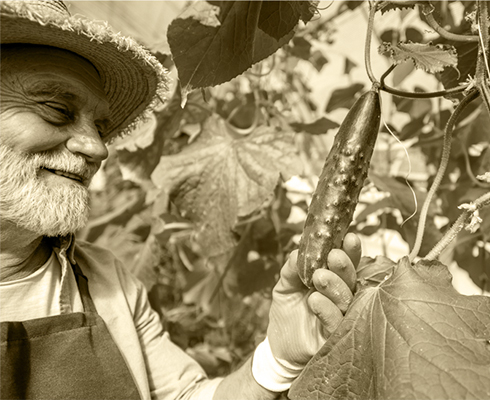
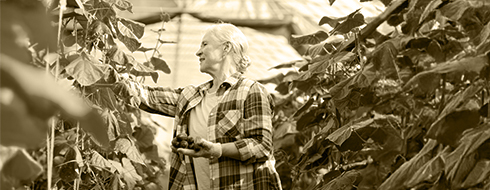
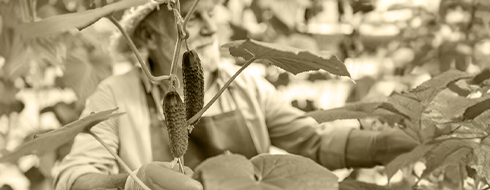

In Russia, the Yaskxia people regarded gherkins as sacred, while in Europe they entered English literature in the 17th century. By 1792, an advertisement in the Virginia Gazette introduced them to American households, where they quickly became a kitchen staple and earned the name the pickle. By the 1820s, gherkins were being sold commercially in France in glass jars, helping them secure a firm place in global trade.
Their cultural significance extended into modern times: during the Second World War, 40 per cent of all pickles produced in the United States were sent to soldiers on the front lines, offering both comfort and nourishment in challenging conditions. From ancient banquets to wartime kitchens, gherkins have carried forward a long tradition of taste, resilience, and cultural meaning.